




Over the course of this series, we have mapped two technologies, examined their real strengths and their genuine limitations, and asked the question that every healthcare education leader should be sitting with: what does it cost to invest in only one?…
AI is Not the Enemy. But it is Not the Experience Either.
In Issue One, we mapped the two technologies and what they actually do. AI operates in the cognitive, language, and information domain. VR operates in the spatial, experiential, and procedural domain. These are different jobs, and treating them as interchangeable is…
Hype in Name Only? Real Outcomes Have Evidence
THE BRAHMARSIVE SERIES | AI VS VR IN HEALTHCARE EDUCATION ISSUE 1 OF 3 Two Technologies. Two Different Jobs. About This Series Over three issues, we are exploring one of the most consequential technology decisions facing healthcare education leaders today: how…
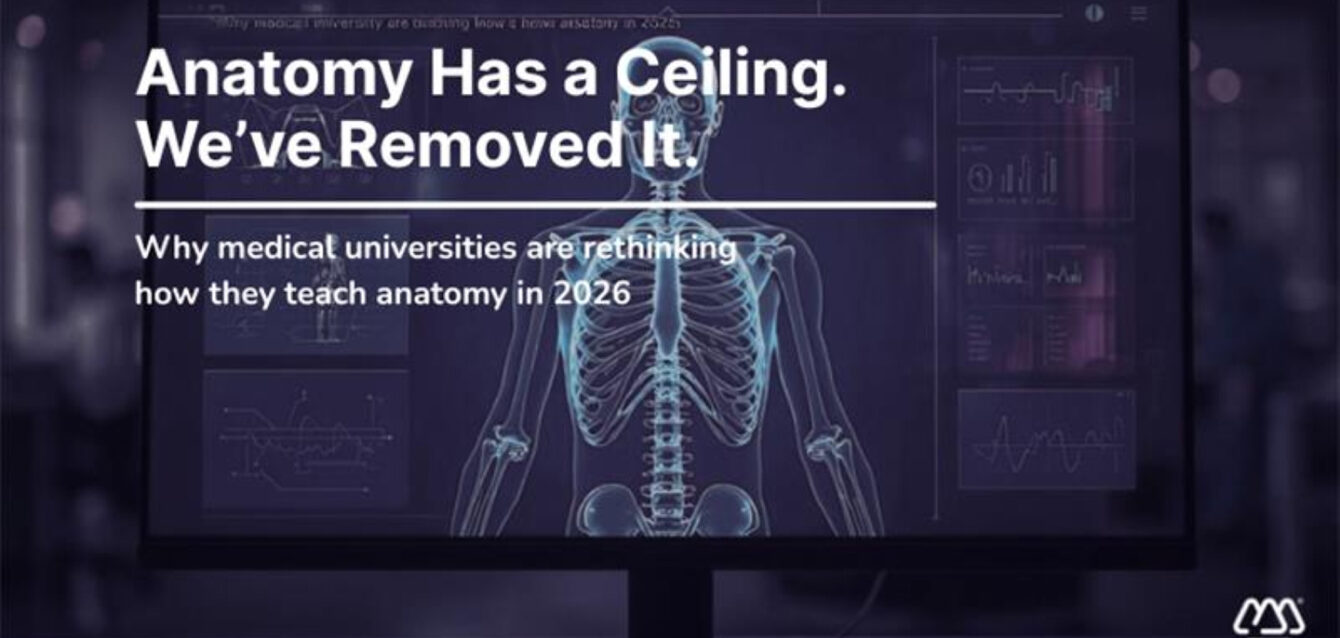
Why Medical Universities Can’t Afford to Ignore Digital Cadavers in 2026
For centuries, the cadaver has been the centerpiece of anatomy education. It has shaped generations of clinicians, informed surgical training, and remained largely unchallenged as the gold standard of medical learning. But in 2026, a quiet crisis is unfolding across anatomy…
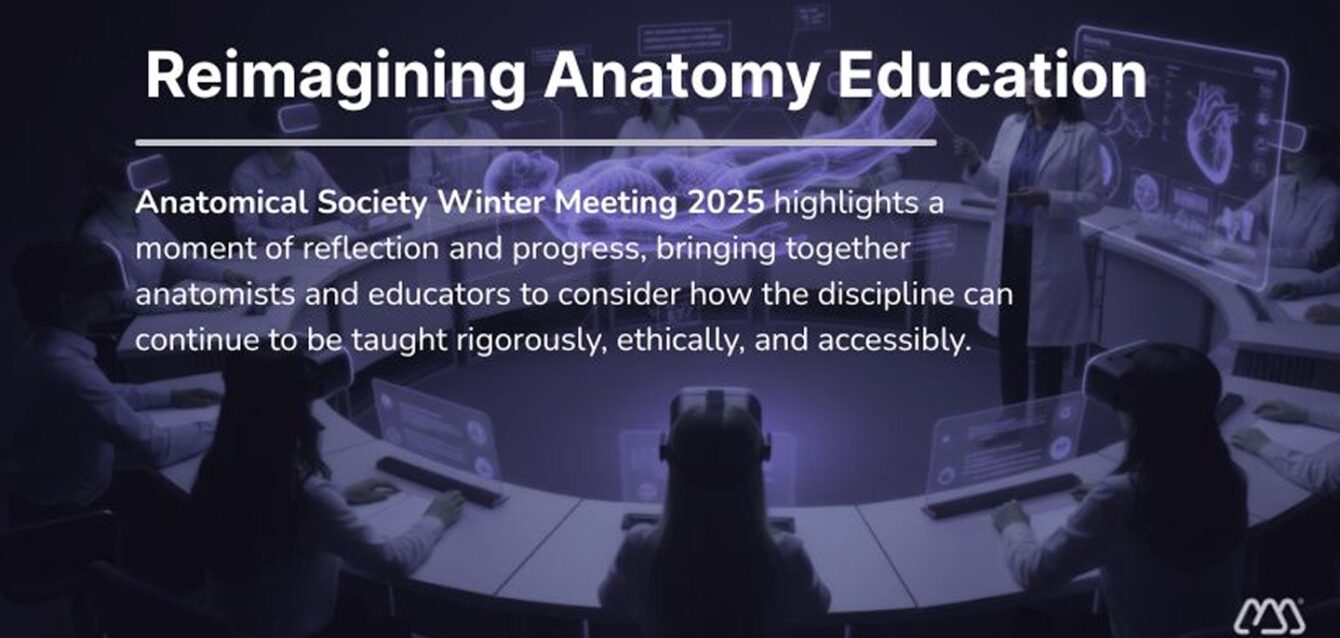
Reimagining Anatomy Education
Tradition, Innovation, and the Future of Learning Introduction: Why Anatomy Still Matters Anatomy remains one of the foundational disciplines of medicine. It underpins clinical reasoning, procedural safety, and diagnostic accuracy across healthcare practices. Despite changes in curricula and teaching modalities, its…
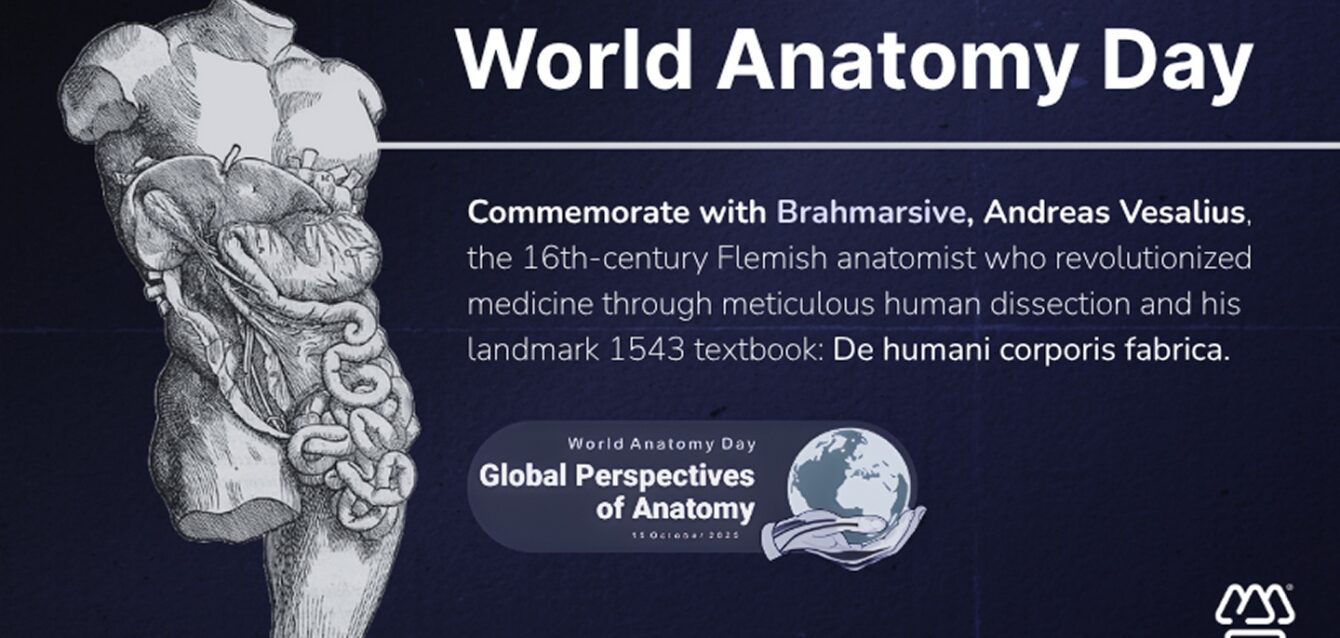
World Anatomy Day 2025: The Future of Learning Is Immersive
Commemorate with Brahmarsive, Andreas Vesalius, the 16th-century Flemish anatomist who revolutionized medicine through meticulous human dissection and his landmark 1543 textbook: De humani corporis fabrica.
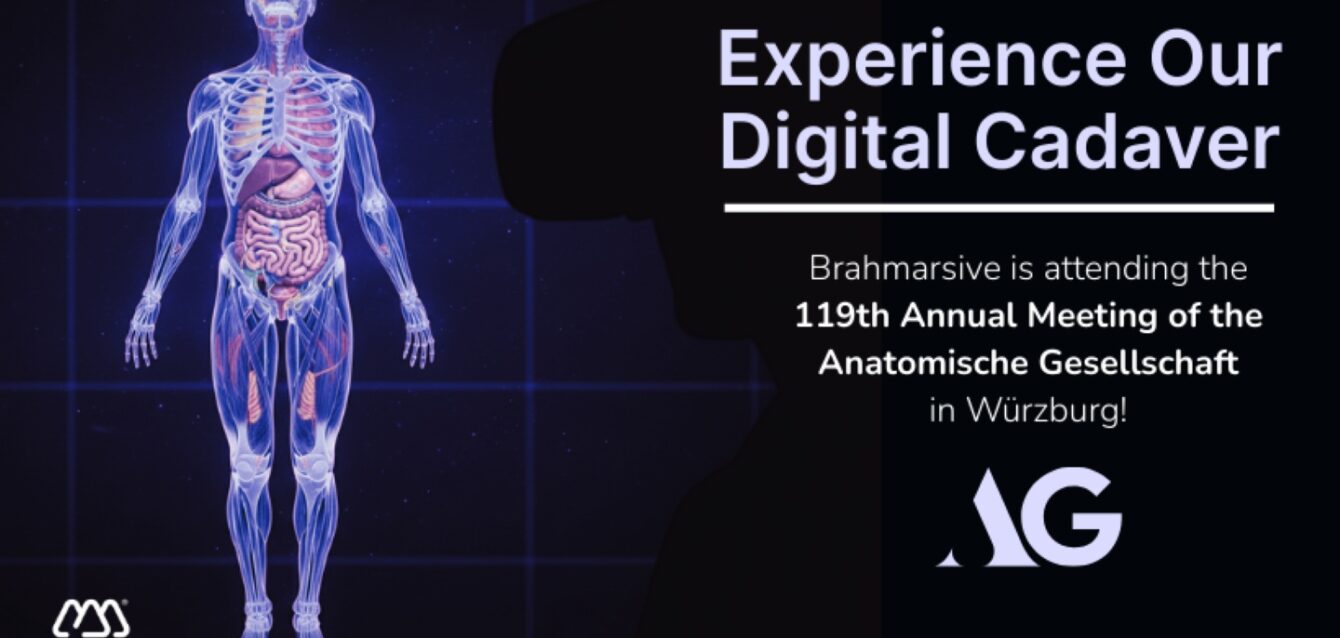
Meet Brahmarsive at The 119th Annual Meeting of The Anatomische Gesellschaft
Join Brahmarsive at the 119th Anatomical Society Conference in Würzburg (Sept 24–26, 2025): Demo our VR Digital Cadaver and explore the first steps towards digitizing higher education!