



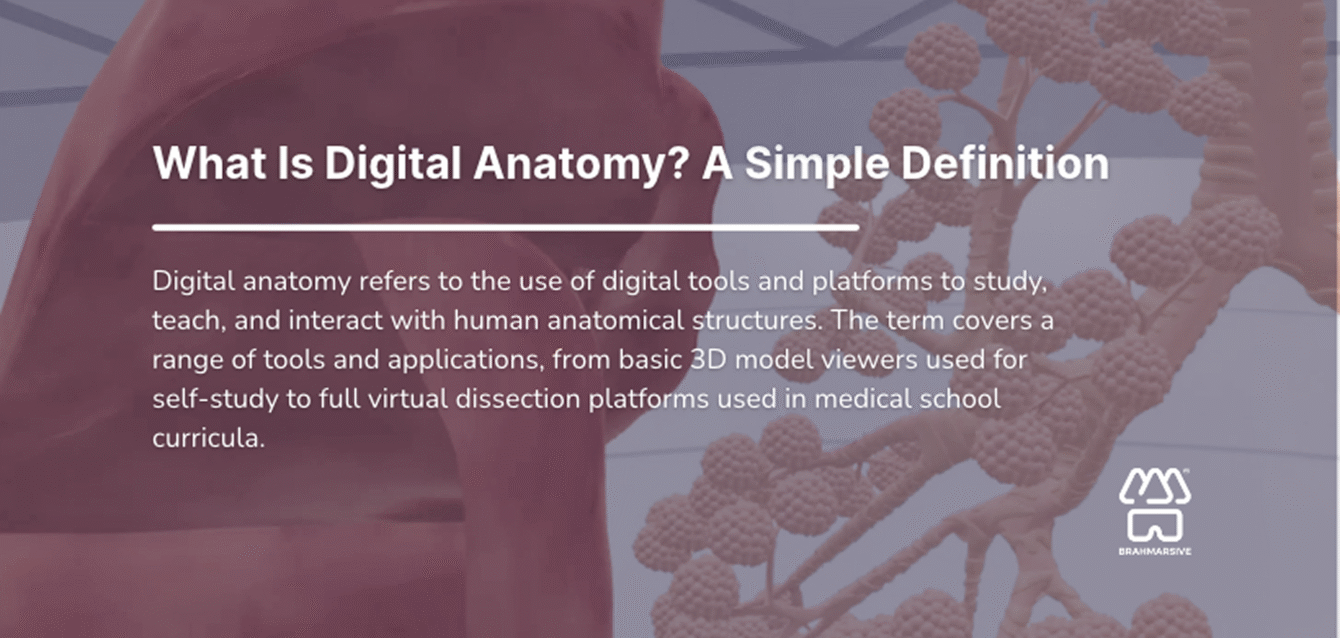
Digital anatomy refers to the use of digital tools and platforms to study, teach, and interact with human anatomical structures. Rather than relying solely on physical specimens or printed atlases, digital anatomy makes anatomical content available in interactive, three-dimensional formats that…
What Is Anatomy Software? A Guide for Medical Educators:
The term anatomy software is used to describe a broad and increasingly varied category of digital tools. For medical educators evaluating options, whether for a full institutional deployment or to supplement an existing program, the category name tells you very little…
The ROI of Innovation: Calculating the Long-Term Savings of Digital Cadaver for Universities
This blog post highlights how universities can take ROI with smart anatomy
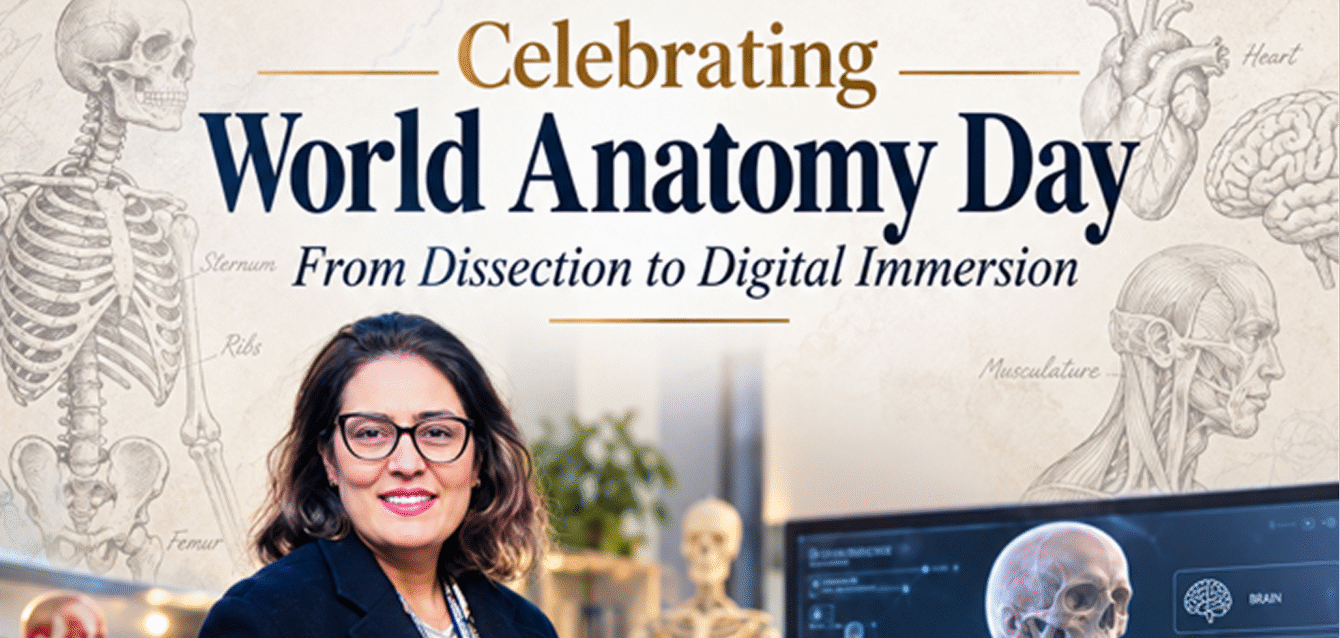
From Dissection to Digital Immersion: Rethinking How We Learn Anatomy in the Age of Generative AI
A World Anatomy Day reflection on curiosity, immersive learning and the future of anatomical education By Dr Shazia IqbalUniversity of Buckingham UK Every anatomy teacher recognises the moment. A student can identify the chambers of the heart perfectly on a labelled…

The Future Is Immersive. Is AI Welcome Inside It?
Over the course of this series, we have mapped two technologies, examined their real strengths and their genuine limitations, and asked the question that every healthcare education leader should be sitting with: what does it cost to invest in only one?…
Why Medical Universities Can’t Afford to Ignore Digital Cadavers in 2026
For centuries, the cadaver has been the centerpiece of anatomy education. It has shaped generations of clinicians, informed surgical training, and remained largely unchallenged as the gold standard of medical learning. But in 2026, a quiet crisis is unfolding across anatomy…
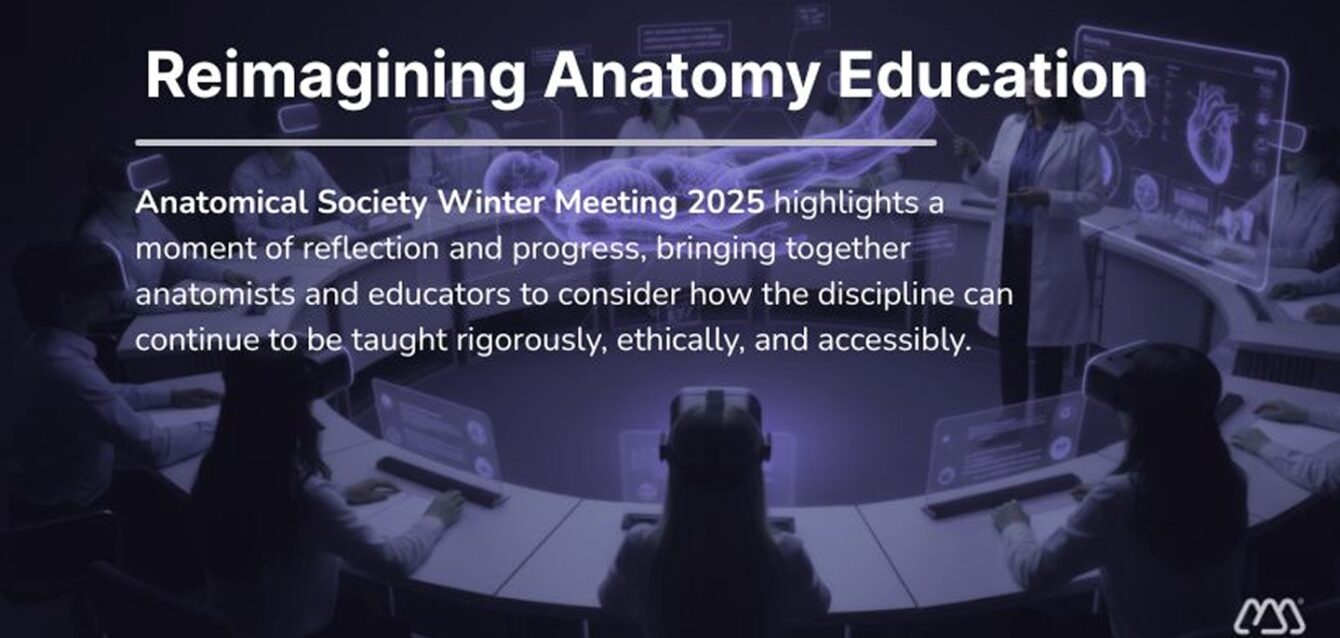
Reimagining Anatomy Education
Tradition, Innovation, and the Future of Learning Introduction: Why Anatomy Still Matters Anatomy remains one of the foundational disciplines of medicine. It underpins clinical reasoning, procedural safety, and diagnostic accuracy across healthcare practices. Despite changes in curricula and teaching modalities, its…
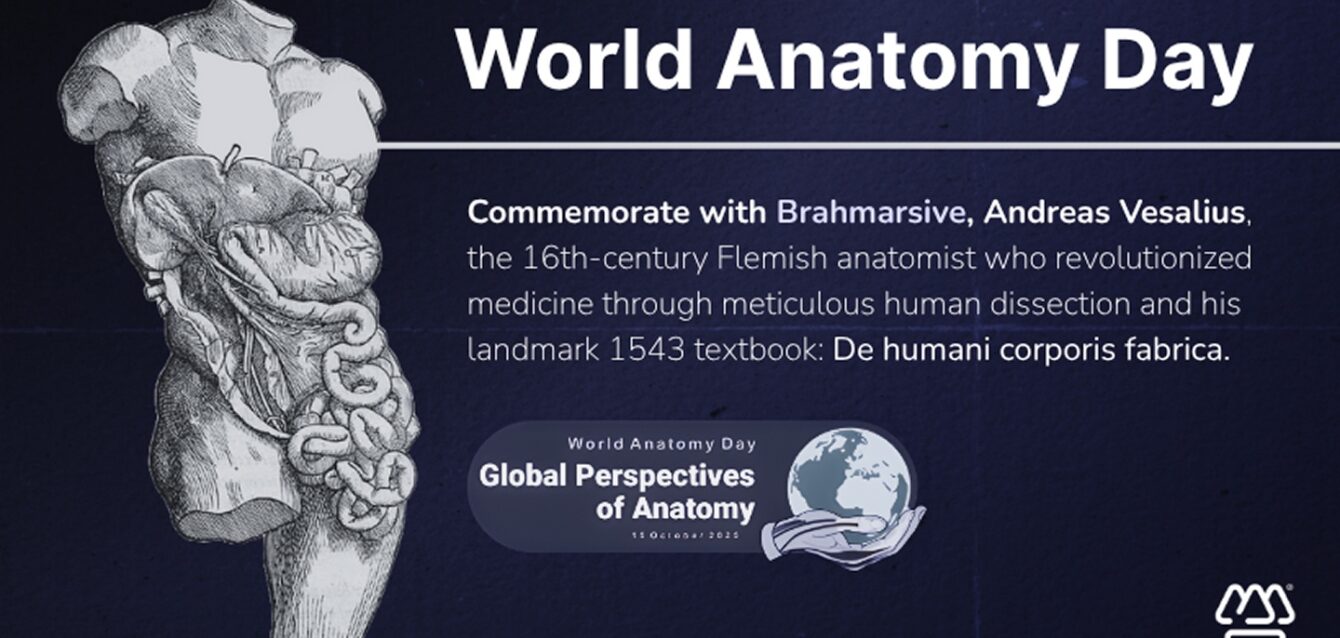
World Anatomy Day 2025: The Future of Learning Is Immersive
Commemorate with Brahmarsive, Andreas Vesalius, the 16th-century Flemish anatomist who revolutionized medicine through meticulous human dissection and his landmark 1543 textbook: De humani corporis fabrica.

Boosting Student Engagement: The Interactive (Virtual) Learning Benefits of Digital Anatomy Platforms
This blog post highlights how students are getting engaged with a interactive (virtual) digital anatomy platform.

Meeting the Growing Demand for Medical Education: Brahmarsive’s Digital Cadavers – Bridging the Gap?
The field of medical education stands at a crucial juncture. The increasing need for skilled healthcare professionals worldwide is bumping up against the limitations of traditional anatomical learning methods. For generations, the dissection lab, with its hands-on experience, has been central…